Why Fashion is a Highly Profitable Industry Globally and in Nigeria
The world of Fashion is a thriving industry worldwide and is constantly booming especially in country like Nigeria, driven by substantial profit margins, cultural importance and significance, consistent consumer demand, and adaptability to evolving trends. This aligns with your interest in Nigeria’s $4.7 billion fashion sector and the concept of fashion in food, where aesthetics and innovation intersect.
1. High Profit Margins: Let’s take for instance Fashion items, particularly luxury or custom-made pieces, often have low production costs compared to their retail prices which in turn earns the producer an imaginable profits. For instance, a designer outfit costing ₦50,000 to create can fetch ₦500,000 or more in Nigeria’s high-end market, yielding margins of 80–90% depending on the client involved. Nigeria Context: Affordable local materials like Ankara or lace (₦2,000–₦10,000 per yard ) are transformed into premium garments, commanding high prices for exclusive designs for unique occasions, comparable to the prestige of a $30 million Rolls-Royce Drop tail which all adds value to lives.
2. Steady and Varied Demand: when it comes to fashion, we talk about satisfying peoples need. Fashion fulfills both essential and aspirational needs, driven by personal style, cultural events, and social status, ensuring continuous demand which in turn earns money for the business owner. Consumers frequently purchase new clothing for occasions like weddings, holidays birthdays especially, or professional settings. Nigeria Context: Nigeria’s population of over 200 million, with a growing middle class, sustains demand for traditional attire , ready-to-wear, and luxury fashion. Events like Lagos Fashion Week and cultural festivals like Durbar drive consistent purchases.There are definitely hundreds of culture in the country and each inclined to its fashion which makes fashion so consumable among a lot of people.
3. Global and Local Market Access: Fashion’s universal appeal allows brands to target both domestic and international markets, amplified by e-commerce and social media platforms. Nigerian designers like myself have achieved a lot of success and Is sure to g viral soon, catering to the diaspora and beyond. Nigeria Context: social media Platforms like African Things and Shopify enable Nigerian brands and its product to reach global audiences, while Instagram and TikTok boost local and international sales. The diaspora’s demand for cultural designs, such as Ankara and adire outfits and thereby supporting export growth.
2. Trend Driven Innovation : Fashion is so dynamic and thrives on ever changing trends, prompting consumers to refresh their wardrobes regularly due o trends and enabling brands to charge premiums for trendy items, that’s awesome isn’t. Nigeria Context: most Nigerian designers both within and outside the country stay relevant by embracing trends like sustainable fashion or hybrid designs (e.g., Ankara paired with modern cuts to fit in to trends). Exclusive, bespoke pieces mirror the prestige of a Rolls-Royce Droptail, fetching premium prices an is always on high demand.
5. Cultural and Emotional Value: Fashion is one of the best form of language which serves as a powerful tool for self-expression, class and cultural identity, fostering emotional connections that justify higher prices and also drives the market. Consumers invest in clothing to showcase heritage, status, or individuality and to some ‘they just love fashion’. Nigeria Context: With the numerous ethnic group in the region with over 250 ethnic groups, Nigeria’s demand for culturally significant designs and trend (e.g., Yoruba gele, Igbo coral beads) is a strong form of identity. Luxury fashion appeals to affluent Nigerians seeking status, akin to owning a high-end vehicle and clothes.
6. Low Barriers to Entry: Fashion businesses is actually one of the easiest to start due to the fact that it doesn’t require much but with minimal investment (e.g., ₦50,000–₦300,000 for a small tailoring operation), allowing entrepreneurs to enter and scale as demand grows and it grows so fast depending on how perfect the person is. Nigeria Context:You can easily notice Home-based designers using local fabrics and social media can compete with established brands, the package is what matters and how you present your product to the consumers. Made to order or drop shipping models further reduce startup costs and risks.
7. Influence of Social Media and Influences : Social media platforms pave the way to easily showcase fashion product and thereby increasing its visibility, with influencers shaping trends and driving sales, A viral campaign can elevate a small brand to widespread recognition. That’s the power of influencers and social media Nigeria Context: Influencers like Temi Otedola promote designs on Instagram and TikTok, boosting demand as well as trends. Events like Lagos Fashion Week provide exposure for emerging designers, enhancing their market presence and in turn boosting the market.
8. Scalability and Diversification Opportunities: Fashion businesses is so dynamic as it can can grow from small local ventures to global brands and diversify into other accessories like, shoes, or lifestyle products, creating multiple revenue streams for anyone involved. Nigeria Context:local designers can expand from ready to wear to luxury collections or add accessories like bags, tapping into Nigeria’s dynamic fashion ecosystem and connecting to the world entirely. Partnerships with global brands further enhance scalability and trends.
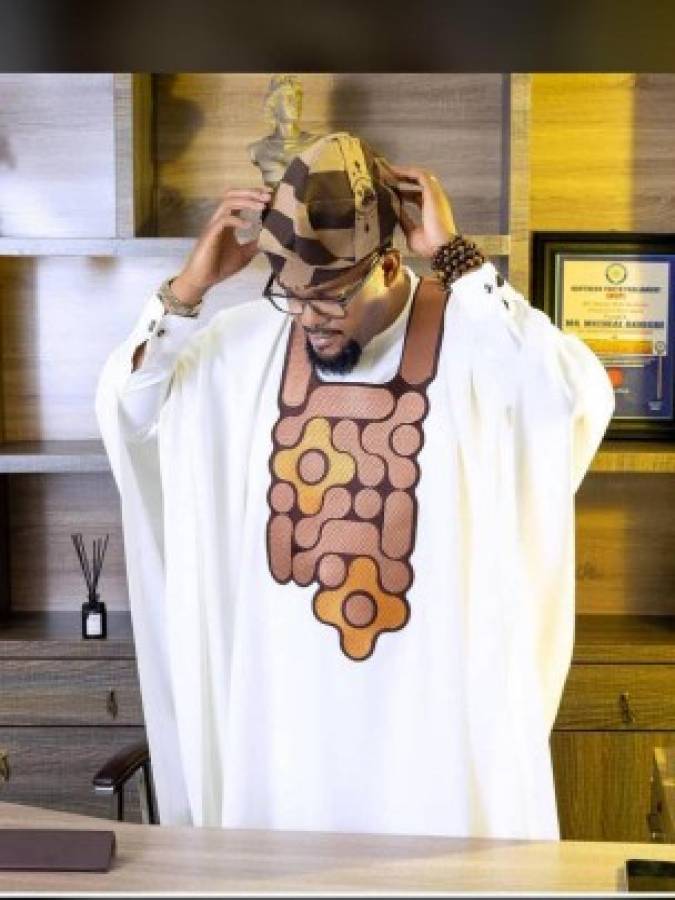
9. Premiums for Luxury and Exclusivity: Luxury fashion commands high prices due to its exclusivity and its in high demand , craftsmanship, and brand prestige, much like elite cars such as the Rolls-Royce Droptail are fast selling due to their luxury nature. Nigeria Context: Nigeria’s wealthy elite, including celebrities and business moguls, drive demand for custom designs e.g tailored agbada or evening gowns or customized outfits for themselves and their families. Brands like Mai Atafo capitalize on this with premium pricing thereby making a lot of wealh from it.
10. Resilience to Economic Shifts: Fashion remains robust and fast moving as consumers prioritize self-expression and cultural purchases, even during economic challenges and that is because good physical appearance matters a lot. Both affordable and luxury segments cater to varied budgets and doesn’t stop each other. Nigeria Context: Despite economic fluctuations, Nigerians invest in fashion for events like weddings, birthdays and festivals irrespective of the season. Locally sourced materials like adire reduce exposure to currency volatility, maintaining profitability and that’s cool in other to maintain the people’s culture.