-
MAKE A BEAUTIFUL TROUSER
Making a beautiful pair of trousers that gives the best body fittings involves the combination of choosing the right materials, precise measurements, skilled construction, and paying a close attention to details of what the client need whether you're sewing from scratch or customizing a pair.
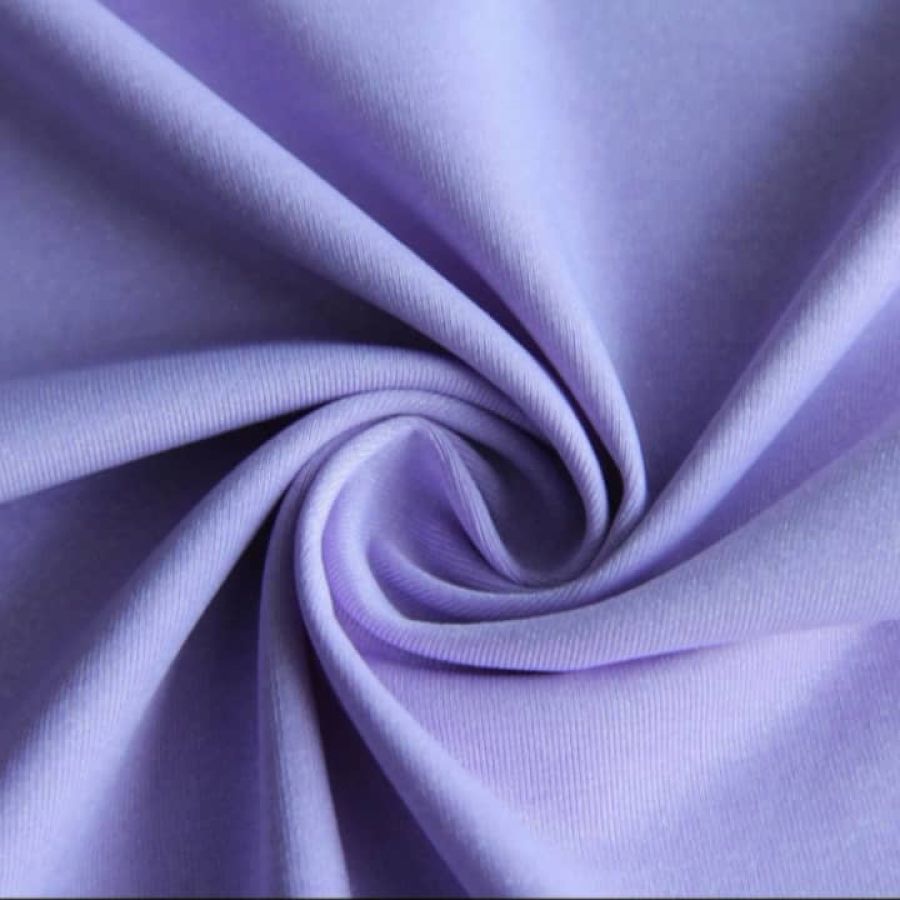
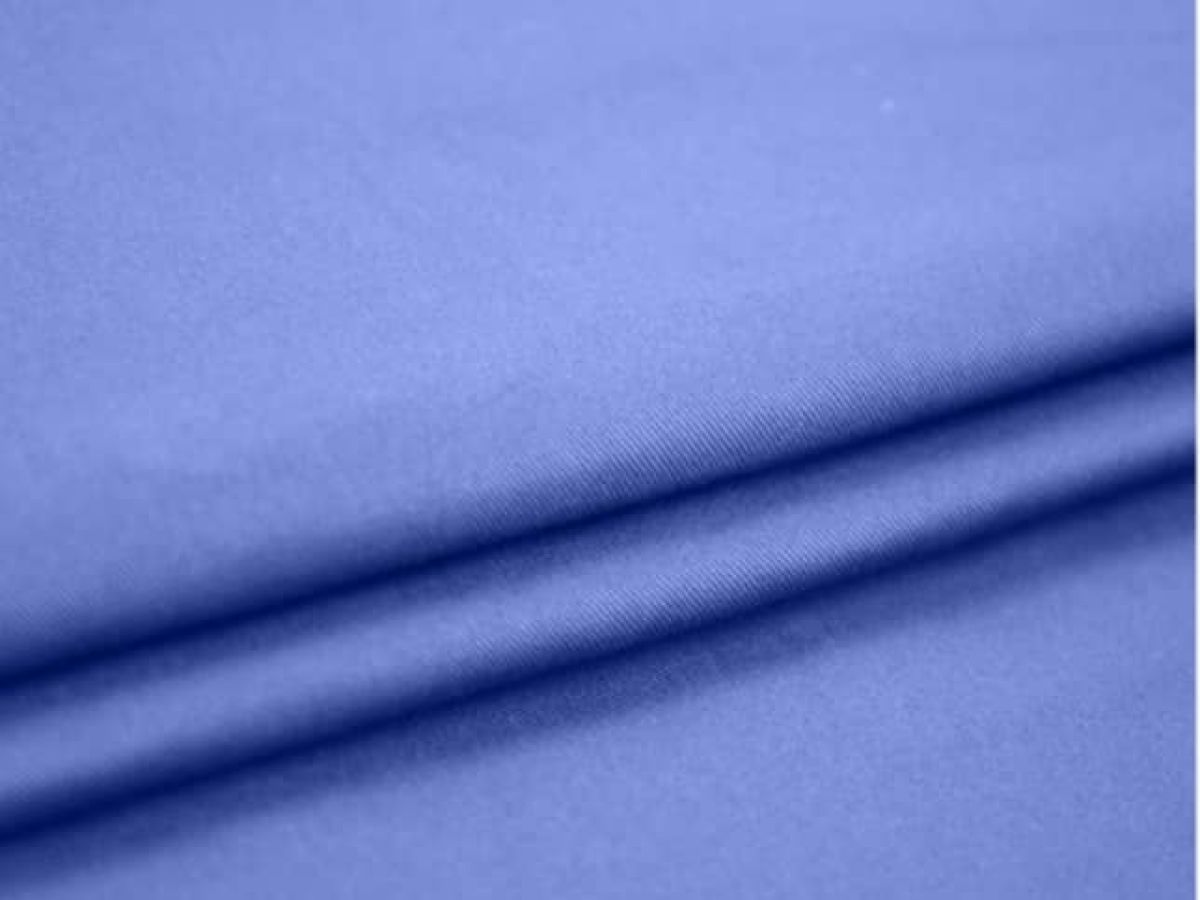
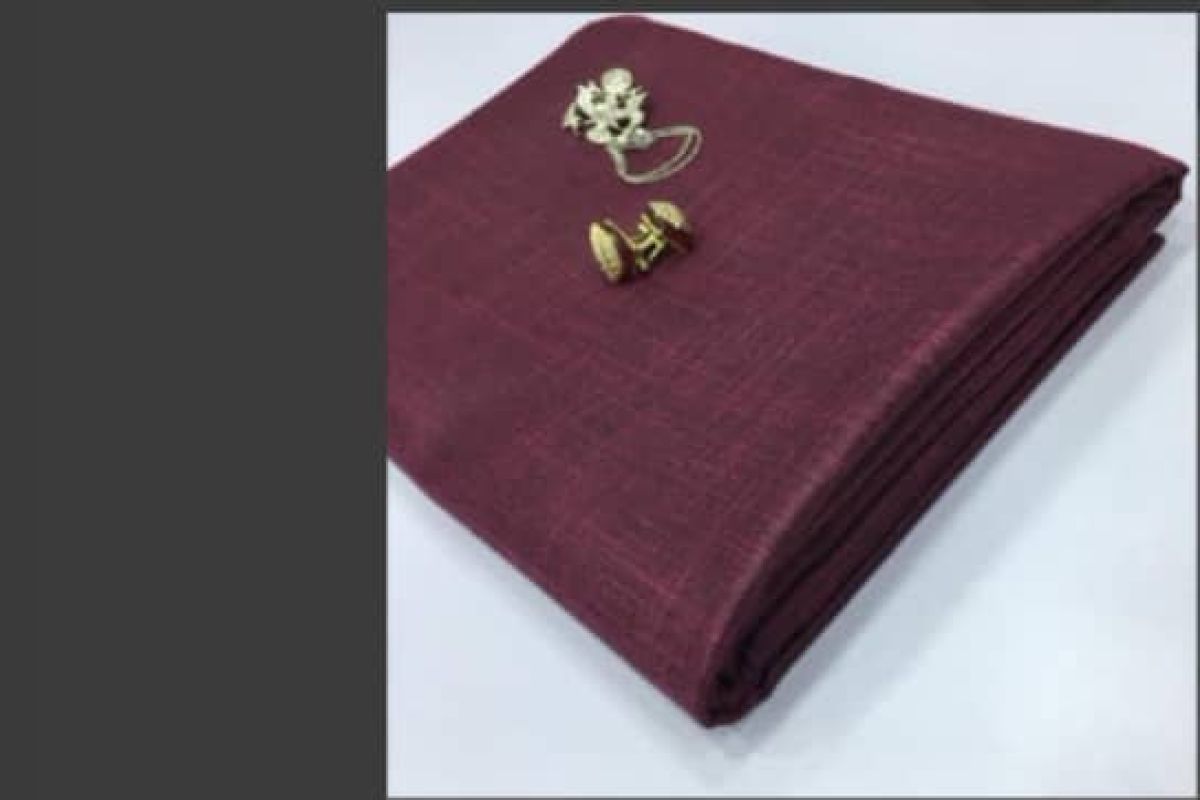
1. Choose the Right Fabric
· · Select Quality Material: Always make sure to go for fabrics that suit the trouser style and occasion:
1. Formal Trousers: Wool, wool blends, or gabardine for a polished look and a nice look.
2. Casual Trousers: Cotton, linen, or denim for comfort,classic and versatility.
3. Stretch Fabrics: Fabrics with a bit of spandex for fitted styles like skinny or slim-fit trousers because it gives the perfect shape.
Consider Drape and Texture: Fabrics with good drape (e.g., wool or viscose blends) create an inviting silhouette, while heavier fabrics (e.g., denim) add structure .
Colour and Pattern: plain colors like black, navy, gray are bold and attractive, while bold patterns like plaids, checks make a statement. Ensure the fabric complements your and aligns with the skin colour style.
2. Select a Unique Style
1. Get the details of the clients choice on the trouser style based on body type and preference:
· If you want a classic and versatile go for Straight Leg, suits most body types.
· If it’s modern and tailored go for Slim Fit, ideal for a sleek look.
· Elegant and flowing go for Wide Leg or Palazzo, great for a bold pant.
· For Accentuates, the waist for a flattering silhouette go for High Waist.
· Pleats add volume while flat front trousers are sleeker the best choice is Pleated or Flat Front
Use a pattern if you’re sewing yourself, choose a reliable sewing pattern from brands like Vogue, Simplicity, or Butterick. Ensure the pattern matches your skill level and desired fit or cut to measurement.
For a Customized fit adjust the pattern for your body shape e.g lengthen/shorten the hem, adjust the waist, or taper the legs).
3. Preparing the Fabric
· If its possible Wash and iron fabric to prevent shrinkage after sewing.
· Get the pattern paper fixed aligning with the grain line to ensure proper drape.
· Having a clean cut is important therefore use sharp fabric scissors or a rotary cutter for clean edges.
· Transfer all pattern markings (darts, pleats, pockets) to the fabric using chalk or fabric markers.
4. Sew with Precision
· Use the Right instruments:
1. To get a neat sowing, a sewing machine with appropriate needles e.g universal for cotton, stretch for spandex blends).
2. Get a matching thread and quality zippers, buttons, or hooks for closures.
· Construct in Order:
1. Sew darts or pleats to shape the waist and hips with good fittings.
2. Decorate the trouser with any pocket of your choice e.g welt, slant, or patch pockets for functionality and style.
3. Maintain and sew the crotch seam, side seams, and inseams. Use a serger or zigzag stitch to prevent fraying.
4. Attach a structured and fashionable waistband with interfacing for stability.
5. Get a zipper or button fly fixed for a professional finish either at the side or back for a lady.
· Always iron all seams open or to one side for a clean look
5. Make it Unique and Stylish
· You can also add belt loops for functionality and style.
· Adding a lining on the trouser either partial or full lining e.g for wool trousers to enhance comfort and durability.
6. Look for the best fittings
· Make sure the fit are in place during construction, especially after sewing the main seams.
· Make Adjustments:
1. Take in or seams for a better fit.
2. Adjust the waistband if too loose or tight for better comfort.
3. Ensure the trousers sit comfortably at the waist and hips without pulling or sagging especially for ladies.
7. Finishing and Final Touches
· Using a steam iron on the finished trousers to create crisp creases and smooth out wrinkles.
· Look out if there’s any flying thread and trim out any stray threads for a polished look.
· Make sure seams are strong and buttons/zippers function properly.
8. For better outcome Success
· If you’re new to sewing, practice techniques like zipper insertion or hemming.
· Adjust your sewing machine’s tension to avoid puckering or loose stitches.
· Look at fashion blogs, Pinterest, or X posts for current trouser styles e.g tailored, relaxed, or cropped fits.


Abdulraheem Jamiu
I am a renowned scholar and one of the finest physicist of my time. I love to code so much that I dream about being the best coder the world will ever have because of my passion to solve many unsolved problems relating to solving man.

Recent Posts