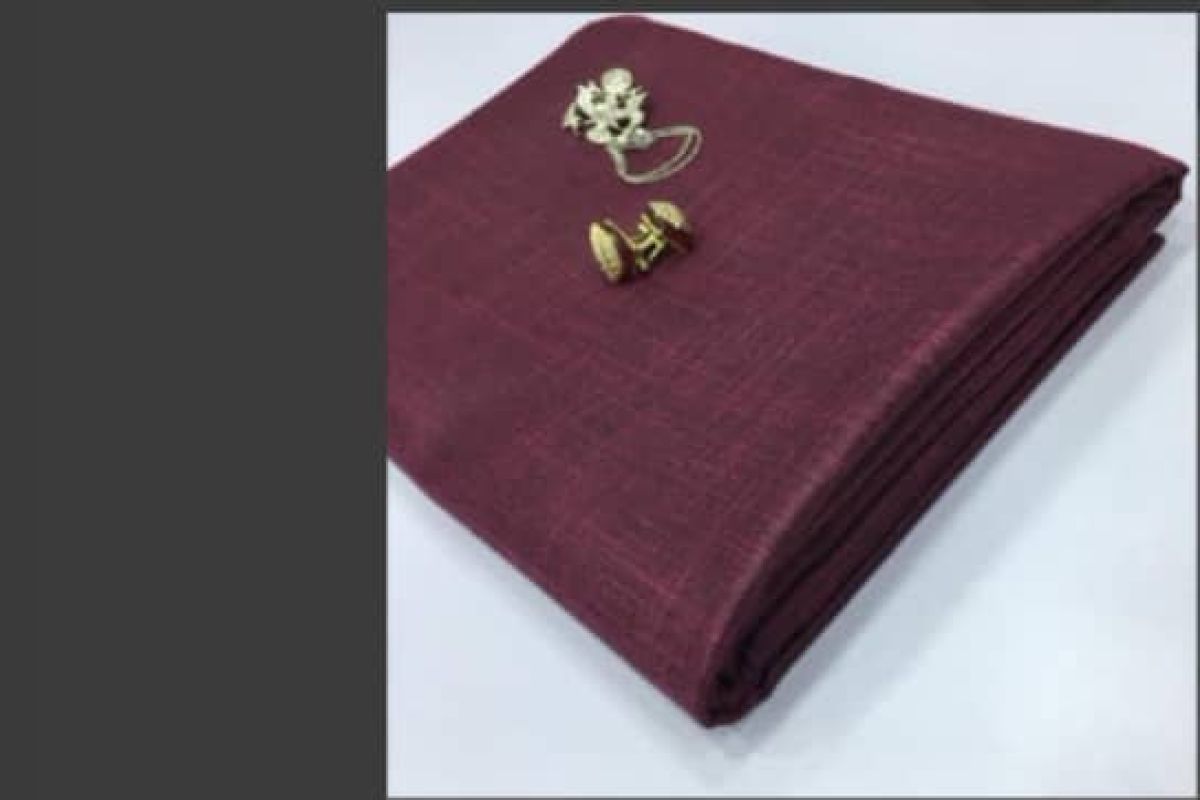
Yoruba Fashion
Each culture has what differentiate and makes them unique among others. Yoruba culture is a vast culture with different ethnic groups , each contributing distinct styles that reflect their culture.There has never been a single tribe which universally "trends" fashion across the country, as trends vary by this region, both in traditions and modern influences.
Why Yoruba's Dominate in Fashion
Primarily in southwestern Nigeria, these people are frequently cited as a dominant force in Nigerian fashion, particularly for its rich culture, luxurious and bold designs. their traditional attire, such as Aso Oke i.e a handwoven textile is a cornerstone of Nigerian style, used in garments like:
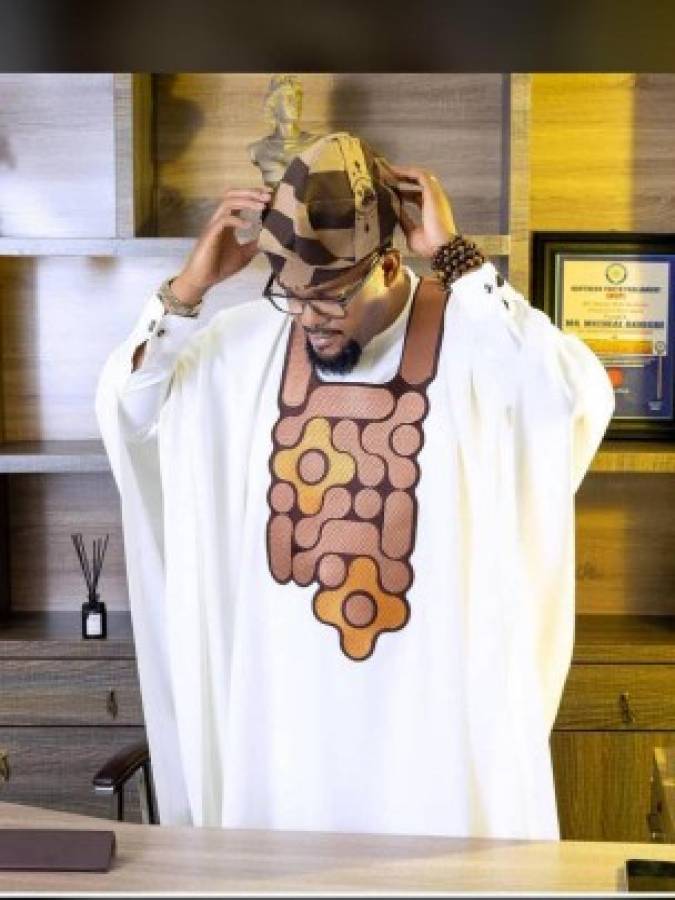
Agbada: A broad, fascinating and attractive clothing, wide sleeved robe for men, often richly designed or embroidered using the popular Tinko or U20 designing machine, symbolizing prestige and worn for formal occasions. Variants like the ceremonial Agbada nla (big men's Agbada) uses a light or heavy ornate fabrics.
Iro and Buba: A women’s fashion combination which includes a wrap skirt (Iro), loose blouse (Buba), and Gele (an elaborate headwrap), often worn with an Ipele (sash). These are one of the most attractive patterns, and are staples at weddings and festivals.
Adire: A tie-and-dye fabric with patterns made by combining different beautiful colours to magnify the beauty of the fabric, sometimes seen as archaic during colonial times but now a global fashion statement
Reasons the Yoruba Fashion Trends
The Yoruba’s influence is amplified by their cultural festivals (e.g., Ojude Oba, a very popular festival which celebrates the king), which showcases extravagant outfits and attract global attention. Yoruba fashion, particularly Adire and Agbada, as setting Nigeria’s visual identity, with designers like myself and and others blending these elements into modern, globally recognized designs. Lagos, the center of fashion and a Yorubadominated city, hosts Lagos Fashion , a major platform that elevates all tribes fashion but mostly Yoruba inspired designs, making them synonymous with Nigerian fashion’s international global and rise.
Igbo: Bold and Symbolic
The Igbo, from southeastern Nigeria, contribute bold and symbolic attire, particularly the Isiagu, a pullover shirt with lion head motifs, worn by men during ceremonies and some for officials purposes
· Men’s Attire: The Isiagu ( sometimes a fabric beautified with the antics of brave animals like lion) is paired with trousers, a fez or leopard cap (Okpu Agwu), and coral beads, symbolizing prestige
·
Women’s Attire: Igbo women put on beautiful puff-sleeved blouses, double wrappers, and headscarves, often in beautiful colors with intricate motifs that narrate cultural stories.
·
Why the Igbo Fashion Trend
Igbo fashion is prominent in ceremonial contexts like weddings and festivals where they wear bold patterns and accessories like coral beads speaksso much about their culture and status . Designers like myself has a lot to say about their culture due to my exposure , blending it with modern cuts, contributing to global appeal. However, their fashion influence is slightly less pervasive than Yoruba due to the latter’s larger urban presence.
Hausa-Fulani: Elegant and Modest
The Hausa-Fulani, dominant in northern part of Nigeria, are known for their elegant, modest attire reflecting Islamic influences.
· Babban Riga: A very and fascinating clothing, specially made for men and embroidered with less designs compared to the yoruba's style, worn over a kaftan and wando (trousers), often with a Hula cap. It signifies wealth and status.
· Women’s Attire: Colorful Abaya wrappers with matching blouses and headscarves, often featuring very expensive and beautiful embroidery.
Why this Fashion Trends
Hausa-Fulani fashion is popular in northern Nigeria and during religious or cultural events. Its influence is strong regionally but less dominant nationally compared to Yoruba styles but are making waves in the world of fashion and media and fashion industry dominance.
Yoruba Often Leads the Trend
Since all tribes within the region has their different culture and contribute to Nigeria’s fashion diversity and visibility, the Yoruba are often seen as the pacesetters in 2025 for several reasons:
· The popular Lagos, a Yoruba domain and center for development is Nigeria’s fashion capital, hosting events like Lagos Fashion, which amplifies Yoruba designs globally.
· Both Aso Oke and Adire are adaptable and universal, used in both traditional (Agbada, Gele) and modern designs like jumpsuits and blazers appealing to local and international audiences.
Modern Trends and Fashion 2025
Nigerian fashion transverse tradition with modernity and uniqueness, driven by all tribes but with Yoruba styles at the forefront and is leading the fashion world.
· The vibrant Ankara, wax-printed fabric used across tribes, used in dresses, trousers, and blazers. It’s a national feature but often styled with Yoruba-inspired cuts.
· A Yoruba originated trend Aso Ebi where event guests wear matching fabrics, now modernized into mermaid dresses, unifying cultural expression and unity.
· Young Nigerians mix traditional fabrics like plain colours with Ankara or Adire with sneakers or blazers, a trend visible in urban centers and promoted by influencers on social media.
· Sustainability: Designers are reviving sacred textiles like Aso Oke and Adire, emphasizing ethical fashion that honors cultural roots over fast fashion
Since each ethnic group e.g the Igbo, Hausa-Fulani, Edo, Tiv, and others bring unique flair, the Yoruba tribe currently trends most prominently styles and complex designs in Nigerian fashion due to their cultural creativity, urban influence, and global reach through designers and events . Their fabrics e.g Aso Oke, Adire and styles e.g Agbada and Gele are universal and widely adopted, and celebrated both locally and internationally, as seen in fashion shows, posts and fashion platforms. However, Nigeria’s fashion is a collective triumph, with each tribe’s heritage enriching the nation’s style narrative.