NIGERIAN LOCAL FASHION
Nigerian local fashion is a giant and vibrant expression of the country’s rich cultural diversity, blending traditional textiles and styles with modern influences with a touch of class. With over 250 ethnic groups in it, each with distinct attire, Nigerian fashion reflects heritage, identity, and creativity which represent its people. Below is an overview of key elements, styles, and trends in Nigerian local fashion.
Nigerian Fashion ( Local Heritage)
· Cultural clothing is connected to each of ethnic groups like the Yoruba, Hausa, Igbo, and others, diversified culture contributing unique styles and differentiating each from the other:
The Yoruba Style
The Yoruba are known for its rich and luxurious textile such as Asoke, handwoven material which contains bold designs. Men naturally use it to make Agbada, a flowing three piece outfit with an overall gown, long sleeved top popularly known as kaftan, and a pair trouser, often designed with embroidery machines in the modern time. Women use the Asoke to sow Iro and Buba i.e wrapper and blouse with a head tie, showcasing a special structured and colourful designs. Aso Ebi, a Yoruba tradition of selected and coordinated outfits special for events like weddings or naming ceremonies which symbolizes love, unity and is popular across the Yoruba culture.
The Hausa Style
Hausa men wear the popular Babaringa, a voluminous robe which is very similar to the Agbada, while women use if for elegant wrappers with headscarves. These outfits often use subtle colors, beautiful which is influenced by the wearers choce and patterns.
The Igbo Style
The Isiagu, a specially designed fabric with lion head designs which is very is iconic for men, often paired with trousers or wrappers. Women use almost same fabric for blouses with wrappers but George material is very common or Ankara. The Isiagu signifies and is known for strength refering to the head of the lion and the textile is blended so that it’s adaptable to modern designs while retaining cultural significance.
Our popular textile materials
· Ankara or Abada is wax that is designed and it’s sometimes a cotton fabric, which is uses for making dresses like shirts, trousers, and modern ladies also use it making accessories like bags and shoes. Due to it’s beautiful patterns it is a perfect a staple for both casual and formal wear as well as for local and international parties.
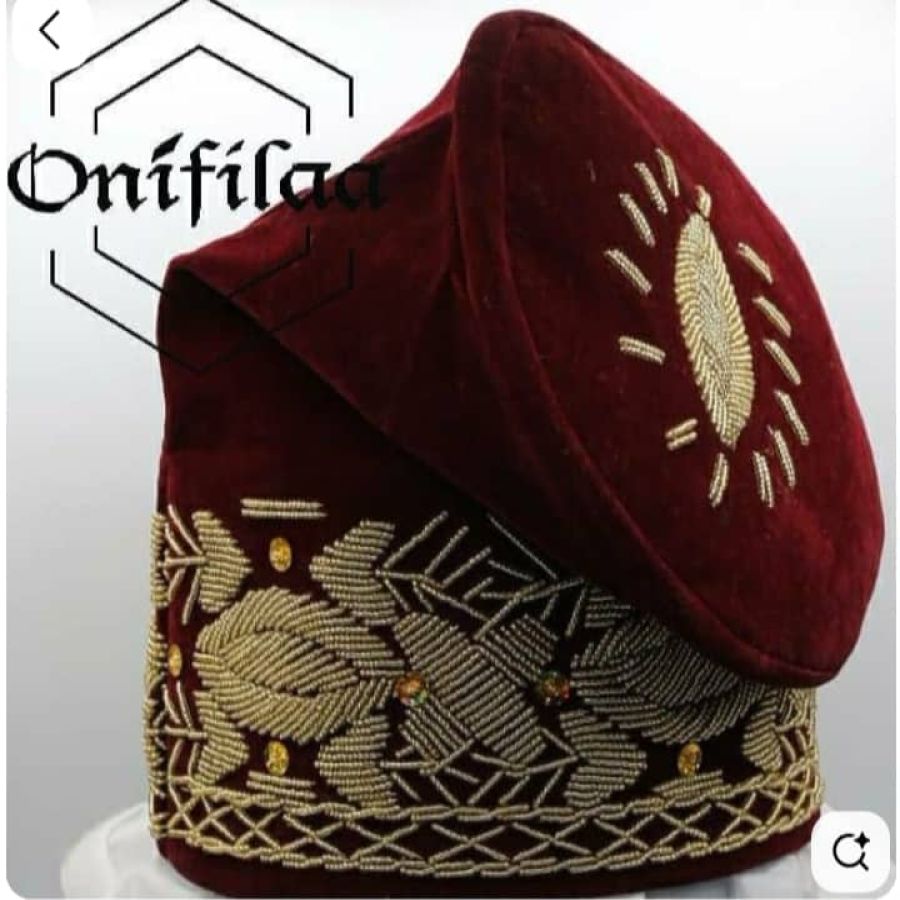
· Aso Oke is handwoven Yoruba fabric popularly used by traditional rulers and for high status outfits like Agbada,caps and gele.
· Adire is textile designed with different patterns commonly with indigo dye with resist dye techniques which makes it durable.
· Lace and George are another set of high status materials popular for formal occasions, especially in Aso Ebi settings.
Trending textile and History
Nigerian fashion has evolved significantly, blending tradition with global influences
· How it started; During the colonial period, colonial influences led to negative perceptions of indigenous textiles like Adire when compared to the international textiles because western textiles were seen as textiles for the elites and high classed people. So after the independence evolved designers like Shade Thomas Fahm who reclaimed traditional fabrics, using locally woven materials to create modern designs.
Significance of Fashion in this Century
Afro Futurism: Nigerian designers are really trying their best when it comes trendy fashion because they adopt digital prints which blends with cultural innovation.
Streetwears are becoming more unique as young designers are blending Ankara into bomber jackets and more good looking outfits such as bucket hats and sneakers, merging cultural elements with urban aesthetics.
Trendy Styling Tips
Few local tips can be added to embrace Nigerian local fashion:
· Bold Colors and Patterns are the best prints for stylish designs, Don’t shy away from vibrant Ankara or Aso Oke pieces. You can always start with a single item, like an Ankara skirt, paired with a neutral top just to tush it.
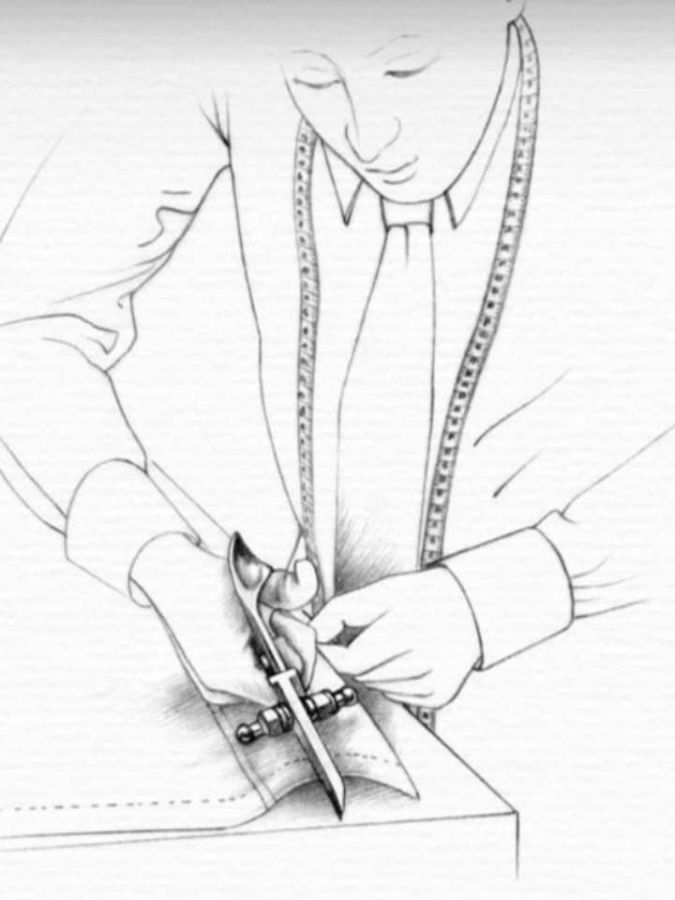
· Tailored Custom fits or designers fits are key for traditional outfits like Agbada or Iro and Buba to ensure a flattering look and elegance.
· Accessories like Beaded necklaces, bracelets, and gele add cultural appearance. For men, crowns or beaded wristbands can be used to signify traditional looks.
· Combine or Mixing Styles for a traditional fabrics with modern pieces, like Ankara jackets with plain materials or Agbada inspired looks very good with with sneakers.