When we talk fashion some people are of the opinion that ladies have better taste than men stems from a mix of historical, social, psychological, cultural, and economic factors, though individual preferences vary widely. Below is a detailed exploration of why this trend exists ;
1. Historical Context and Gender Roles
Historically, fashion has been tied to gender specific roles that shaped societal expectations and norms:
· Women’s Fashion as Expression cuts across cultures, women’s clothing has long served as a means for beauty, status, and identity. For instance, elaborate gowns with adornment or intricate traditional garments e.g. sarees were designed to signal wealth status, or social standing. These expectations placed fashion at the core of women’s societal roles giving them a higher edge, encouraging investment in appearance.
· Men generally want to look good and that’s why most men choose practicality over self-expression, leading to fewer fashion expression, compared to the diverse, expressive choices in women’s fashion.
It continues, with women’s fashion more sensational styles, colors, while men’s fashion remains relatively restrained, making fashion a more prominent domain for women as it makes them more classy and outstanding among their tiers.
2. Cultural and Social Expectations
Cultures and socialization are more rooted in women’s engagement with fashion:
· Higher expectations are more on women’s appearance, with clothing, accessories, and grooming tied to social class. Media, from fashion magazines to other social media influencers, targets women, reinforcing fashion as a key aspect of identity and self-presentation.
· Men are typically wired to prioritize achievements due to the level of expectations others and families have on them and responsibilities, such as career success or physical prowess. Fashion is often seen as secondary, with less societal reward for men who invest heavily in style though it may not be generalized.
· Women require a deeper engagement with fashion while men, however, can often rely on versatile staples like suits or jeans the aim is just to look good and presentable, reducing the need for constant wardrobe updates.
3. Social status
Fashion to a woman is a means of identifying social role for, often tied to confidence and sometimes identity:
· The saying ‘’you're addressed the way you dress’’ is basically for women, outfit boosts the ego and the self esteem of a responsible or enhances social presence. Fashion serves as a tool to navigate professional or social settings, where appearance carries significant weight.
· Women see some clothes as a means to mark achievement where as Men may view clothing more functionally or just way of protecting themselves focusing on comfort or utility, though this is shifting with modern trends where some value fashion in a way that’s very similar ladies.
· Women naturally like flashy things and that’s why they love trends to follow fashion trends to stay beautiful “in style,” driven by social pressures or a desire for belonging within communities (e.g., TikTok or Instagram fashion circles). Men’s fashion evolves more slowly, with timeless pieces reducing the urgency to follow trends.
4. Dynamics in Women’s Fashion:
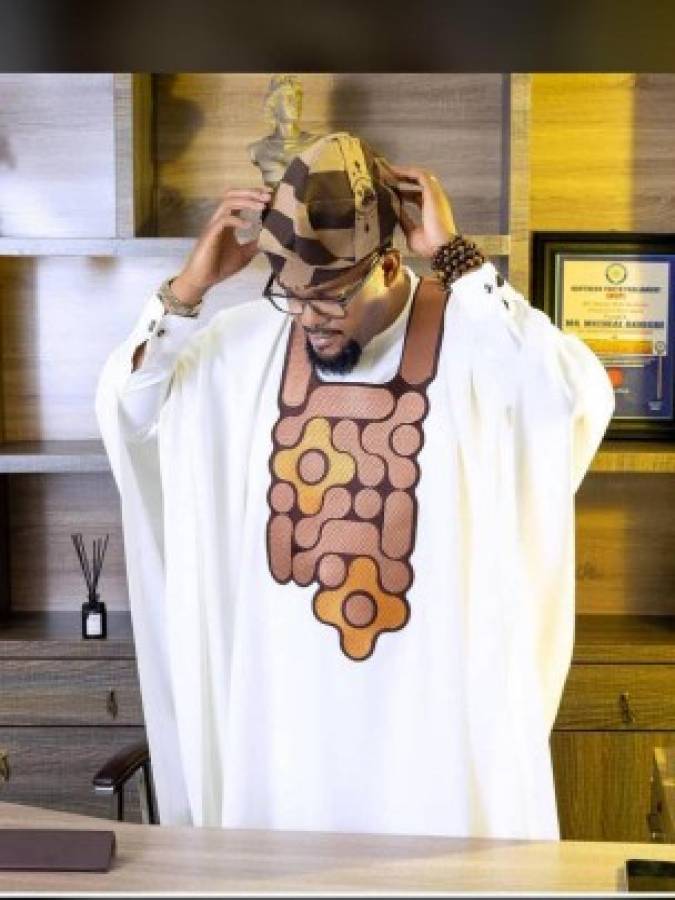
· Women’s fashion have are constantly changing and emerging in different categories which includes crop tops, skirts, tops, jumpsuits pants trousers, and extensive accessories (jewelry, bags, scarves), allowing for creativity and experimentation. This variety makes fashion a more immersive experience compared to men’s fashion, which is dominated by shirts, trousers, and jackets and kaftan for those who love to wear native dresses.
· Women’s fashion is driven by fast changing trends and is so dynamic, with new collections released multiple times a year by brands. This encourages women to stay engaged to keep up with seasonal or social media-driven styles.
· Women’s fashion cuts across all lives accessories and beauty products e.g., makeup, hairstyles into the overall look, creating a comprehensive approach to style making them distinct among others. Men’s accessories e.g., watches, ties are simpler and less varied without much complex designs, making fashion a narrower domain.
5. Economic and Industry Dynamics
The fashion industry’s structure reinforces women’s focus on fashion:
· Due to the women’s high demand the global women’s apparel market, valued at over USD 1 trillion, is very far from the men’s market at around USD 500 billion (based on pre-2025 estimates).More investors go into ladies fashion since there are more opportunities due to their higher consumer demand and industry investment in women’s clothing and fashion in general, offering more choices and marketing campaigns.
· Fashion brands like H&M, Shein, and Zara are focused on women because they’re affordable, trendy options, encouraging frequent purchases and experimentation. Men’s fashion product are not very enormous , limiting their engagement with trend driven fashion.
· The fashion market is centered on women’s product of different categories , women are bombarded with fashion content through diverse means e.g magazines, influencers, and advertisements, creating a culture where staying stylish is emphasized and is always appreciated. Men’s fashion marketing is less competitive, focusing on timeless staples rather than seasonal trends.
6. Workplace and Social Dynamics
Professional and social contexts:
· Fashion is a means of competition where most women often navigate complex dress codes in workplaces, balancing professionalism with personal style across options like dresses, skirts, or tailored suits. This requires a good level of fashion sense, unlike men’s more standardized professional attire (e.g., suits or business casual).
· Women just want to look unique and valued through their dressess so having numerous dress codes for events like weddings, parties, or casual outings, necessitating a versatile wardrobe. Men can often rely on few suit or outfit across multiple occasions, reducing the demand for fashion variety except for fashion freaks.
· Women are judged commonly based on appearance, making fashion a tool to meet expectations or stand out or we should say a lifestyle. Men face less pressure to vary their style, allowing them to invest less in fashion but in skill and their responsibilities.
7. Changing Trends and Exceptions
Women are keen to fashion while men’s interest is growing their wealth:
· Younger generations and urban men, and fashion influencers are driving interest in men’s fashion, with street wear, luxury brands like Gucci, and metrosexual culture gaining traction. However, women still dominate in the world of fashion and consumption due to societal encouragement and industry focus.
· In some cultures, men’s fashion is highly valued e.g., dandyism in Europe or traditional attire in African and South Asian cultures). Globally, though, women’s fashion receives more attention and investment, reinforcing the perception that women value it more.