Strategies for Thriving and Staying Relevant in Nigeria’s Fashion Market
1. Establish a Distinctive Niche and Brand Identity
Why It’s important: With countless designers in Nigeria and lots of expertise, from street wear creators to high end names like myself, a unique niche and compelling brand identity really differentiate you apart and foster customer loyalty as it makes your brand so special and outstanding. How to Achieve It:
· Be Focus Driven: Target specific markets, such as luxury bespoke designs and consumer , traditional attire , Eco conscious fashion, or affordable ready to wear for the middle class. Being able to fill most spaces gives you an edge.
· Create a Compelling Story:Putting your vision and values as a driving tool like cultural authenticity, innovation, or exclusivity. For instance, a luxury brand could highlight craftsmanship pulling you to high end car design.
· Have a good Representation: Get a nice and appealing logo and cohesive aesthetic for packaging, social media, and products to convey sophistication or cultural pride. Action: Analyze market gaps using assigned social media trends or events like Lagos Fashion Week to build strength and motivation. Collaborate with a graphic designer to craft a unique logo and brand narrative.
2. Harness Social Media and Digital Platforms
Why It’s very important: With over 50% of worlds population active online, platforms like Instagram, TikTok, and X shape fashion trends and drive sales faster than you can think, particularly among youth,teenagers and the diaspora. How to Achieve It:
· Engage on Social Media: Build a social media platform and use it to share high-quality visuals, behind the scenes content or faceless contents, and influencers collaborations to build a following.
· Use E-Commerce platforms Use platforms for global reach and sales as international recognition is important as well.
· Have a targeted the Diaspora and consumer: Promote culturally valuable designs, like Ankara dresses, to Nigerians abroad via targeted ads and other broadcasting methods. Action: make sure to create a content calendar for consistent posting and partner with influencers to amplify your brand’s visibility. Being consistent creates more credibility and recognition
3. Quality in Design and Production
Why Its Crucial: every competitive market always require superior quality to build trust and justifies premium pricing, especially for luxury or bespoke designs for any organization. Method:
· Use High Quality Materials: dealing with quality fabrics you trust or can trust to get best quality output, or import premium materials for luxury collections to ensure vibrant, lasting finishes if need be.
· Skilled Workers: Employ or train workers to deliver according to your vision, unique designs, such as embroidery or tailored suits and for any niche you choose.
· Ensure Quality Control: Conduct inspections to maintain consistency and avoid customer complaints as excessive complaints may reduce your credibility. Action: Test the initials before full production and gather customer feedback to refine designs before introducing the product to the market.
4. Stay Agile with Economic and Market Trends
Why It’s very vital: Nigeria’s economic challenges or market shifts, including inflation and currency volatility, impact consumer purchasing power. Strong adaptation ensures business resilience and long term credibility. How to Achieve It:
· Offer different Pricing: Provide a range of products with different prices, from budget friendly ready to wear to high end bespoke pieces, to appeal to diverse income levels and let each category choose according to their pockets .
· Source Locally: Use local materials like adire or lace to minimize import costs and currency risks in other to reduce production cost as well.
· Align with Trends:Be up to date,move with global and local fashion trends via social media platforms, fashion blogs, or events like Arise Fashion Week, adapting designs for seasonal demands (e.g., wedding or festival seasons as we have different festivals and ceremonies in Nigeria) . Action: Track economic news to adjust pricing or sourcing strategies. Attend trade shows to be carried along emerging trends or subscribe to platforms to be up to date.
5. Cultivate Customer Loyalty
Why It’s Important: In Nigeria’s relationship oriented market, loyal customers and word of mouth referrals drive sustained success as connections are built through ties. How to Achieve It:
· Deliver Quality Service: Offer customized fittings for luxury clients as they want or quick responses on social media to foster quick adjustment.
· Incentivize Loyalty: There should be a window to Provide discounts, exclusive previews, or early access to collections for regular customers.
· Engage with Seasons: Sponsor events or partner with cultural festivals to strengthen brand connection and to connect with more people.
6. Efficiency is very Important
Why It Matters: Efficient operations boost profitability and enable credibility in a cost conscious market especially in a competitive market How to Achieve It:
· Adopt Test Production: Produce small batches to test designs, scaling only with proven demand. Consider drop shipping to reduce inventory costs and stress.
· Partner with People around: Collaborate with close producers or factories to lower logistics expenses and outsource after production tasks like delivery or packaging.
· Manage Inventory: Use just in time production to avoid overstocking, particularly for seasonal or luxury lines and to avoid loss . Action: Invest in simple accounting tools and negotiate bulk discounts with suppliers.
7. Acknowledge Cultural and Regional Diversity
Why It’s important: considering the advantage of Nigeria’s 250 plus ethnic groups. Urban rural division create diverse fashion preferences and demands, requiring culturally directed designs. How to Achieve It:
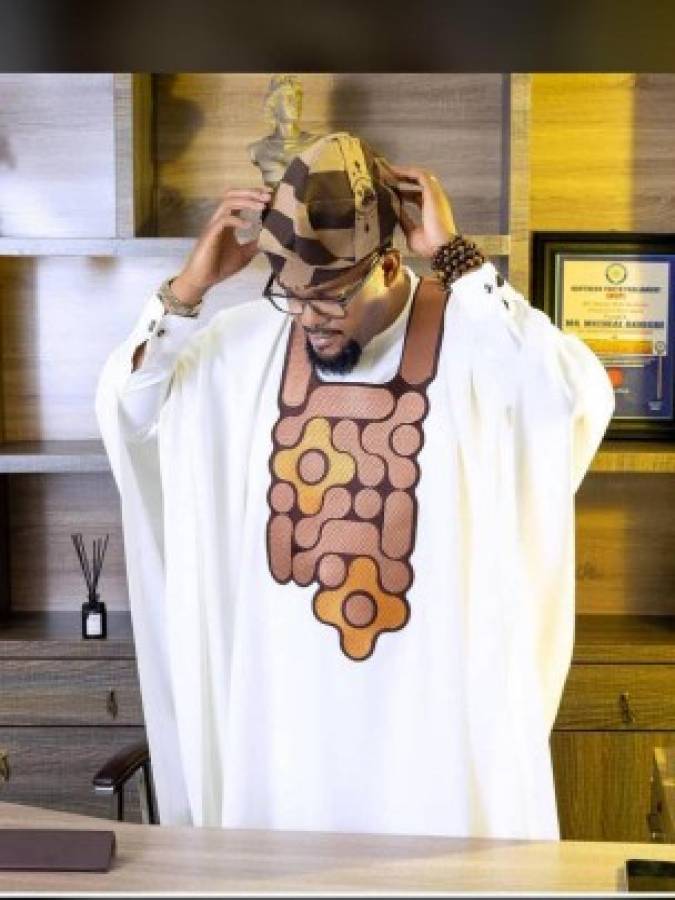
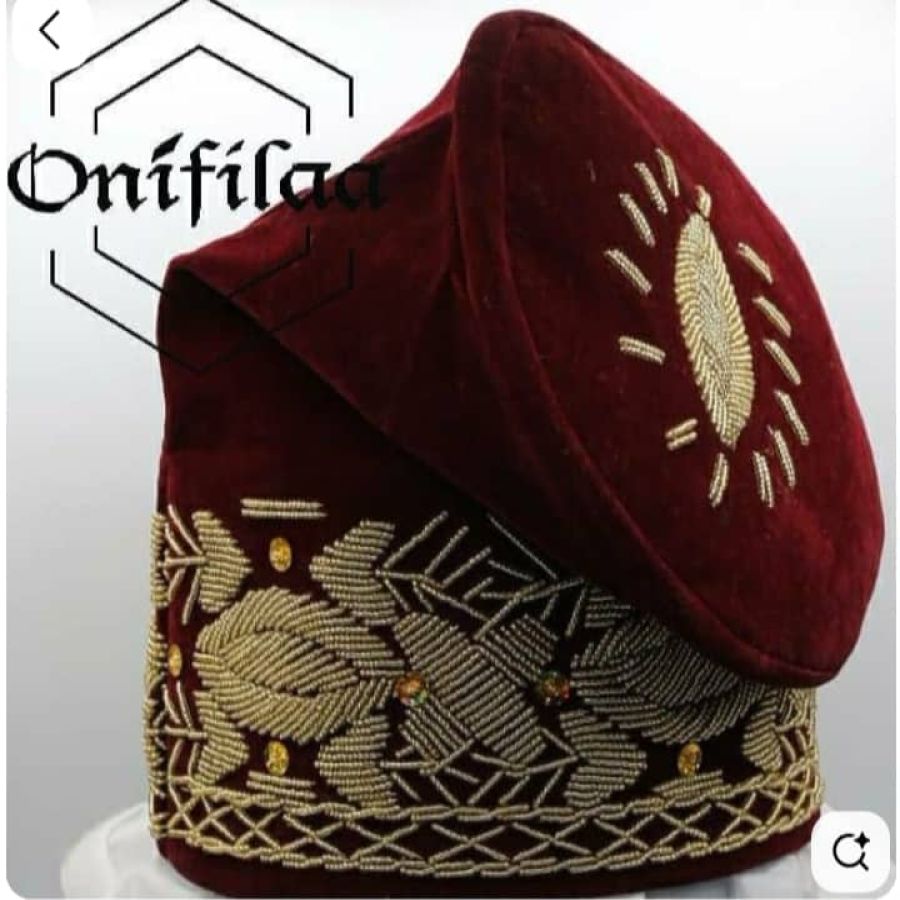
· Use Cultural Elements: Use motifs like Yoruba aso-oke, Igbo coral beads, or Hausa embroidery to appeal to diverse audiences depending on the location.
· Markets : Offer trendy, luxury designs for urban hubs like Lagos and match make it to the people’s choice.
· Avoid Cultural Missteps: Research ethnic nuances to ensure designs celebrate heritage without stepping out of bounds. Action: Give people to give a try designs in urban and rural markets and consult cultural experts to ensure authenticity.
8. Secure Funding
Why It Crucial: Adequate funding supports operations from sourcing materials to marketing, particularly for luxury brands requiring premium inputs. How to Achieve It:
· Free Bootstrap: Start with little savings (₦50,000 to ₦300,000 for small-scale ventures) to test the market and to know whether to venture into it or not .
· Seek External Funding: Apply for SME from government or private loans from banks like First Bank or grants from organizations like the Tony Elumelu Foundation. Present a compelling business plan to investors in order to scale higher.
· Be Financially Disciplined: Build a portfolio with less liabilities and Monitor expenses and reinvest profits to scale gradually. Action: Never settle for less, develop a detailed budget and explore funding options like grants or crowdfunding platforms .
9. Ensure Legal and Ethical Compliance
Why It’s Crucial: Compliance enhances credibility and protects your brand, especially in luxury or sustainable fashion niches. How to Achieve It:
· Register Your Fashion Business: Register with virtually or physically with the Corporate Affairs Commission (CAC) for legitimacy and access to funding opportunities.
· Protect Intellectual Property: Secure trademarks for your brand name, logo, and unique designs to prevent imitation and to secure a ground.
· Comply to Environmental Standards: Follow Nigeria’s regulations for textile production nd sales, managing waste and chemical use responsibly to avoid sanctions. Action: Work with a CAC registered agent or legal expert to handle registration and trademark processes to foster easy registration process.
10. Build Networks and Collaborations
Why It’s Crucial: Relationships with other business owners, suppliers, and retailers unlock growth opportunities and increase exposure. How to Achieve It:
· Attend Industry Events: Participate in Fashion shows both within and outside the state and country e.g Africa Fashion Week, or local trade shows to connect with designers, buyers, and media.
· Pursue Collaborations: Partner with complementary brands, stylists, or accessory designers for joint collections or campaigns and create a nice collaborations.
· Seek Mentorship: Learn from established designers to navigate challenges and gain industry insights in other to avoid first hand errors. Action: Join fashion associations or online communities and propose collaborations with aligned brands because no one wins alone and a tree does not make a forest.