Launching a Fashion Business
1. Define Your Area of Specialization
When it comes to fashion market within and outside Nigeria certain steps should be considered depending on any of the following niche traditional attire, luxury designs, street wears, and accessories. A clear specialization helps you differentiate and target a specific audience, aligning with the creativity and bold focus without having to stop at a point to think about your next move. Options:
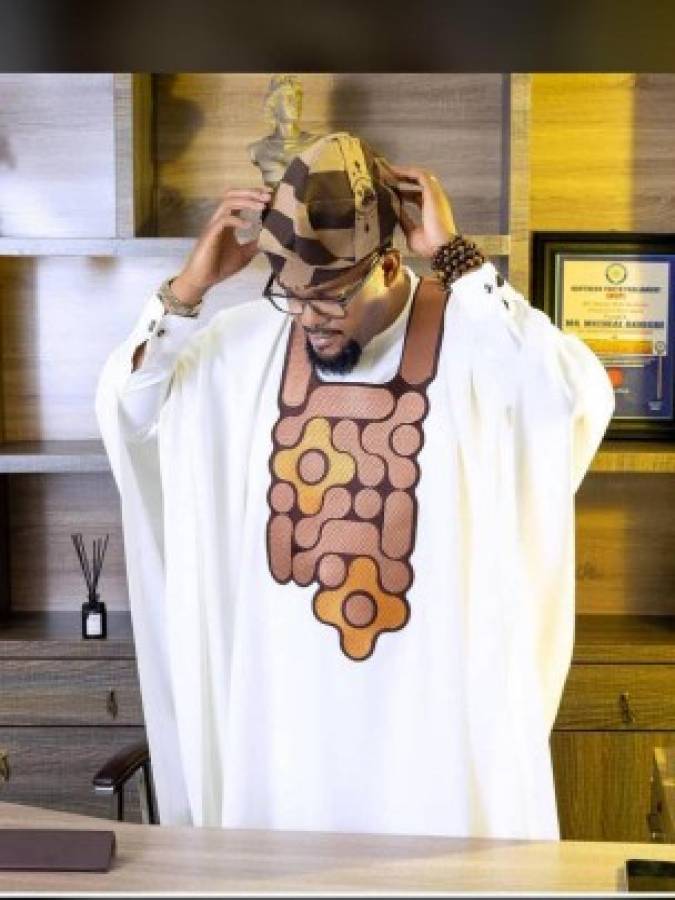
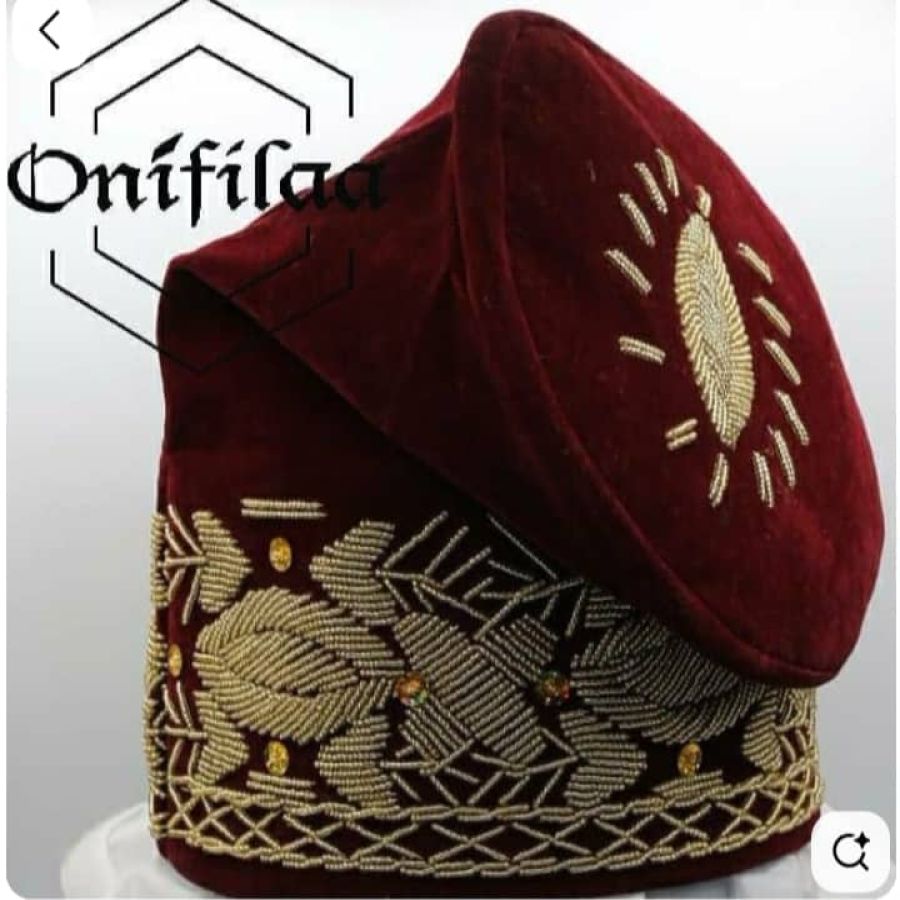
· Depending on area of specialty Creating pieces like agbada, iro and buba, or Ankara outfits to tap into Nigeria’s rich heritage, appealing to both local customers.
· Designing high end with nice finishes, bespoke clothing for affluent clients seeking unique premium pieces.
· Production of affordable standard sized garments for different categories of sizes, such as casual or street wear for the mass market.
· Offering jewelry, bags or corporate/school uniforms for lower production costs.
For bold, trendy outfits prioritize vibrant, culturally resonant designs and colours or luxury wear with amazing fittings. Analyze market gaps through social media trends, or local boutiques. Identify underserved niches if your’e still planning to get one like children’s wear or sustainable luxury, and define your target audience according to capabilities e.g. youth, professionals, or high-net-worth individuals.
2. Design a Good Business Plan
A detailed and well structured business plan maps out your plan and needs, financial requirements, and growth trajectory, essential for navigating every competitive fashion market and securing funding without much stress. Key focuses:
· Market Research: Know your competitors, trends and consumer preferences using platforms like Instagram or fashion events to streamline your goals.
· Product Alignment: Detail your products according to you niche e.g., luxury gowns, street wear, or accessories and what it takes to get it done .
· Financial Estimates: Estimate startup costs for instance in a Nigerian market ₦50,000 to ₦800,000 for small scale, millions for luxury ventures), covering materials, equipment, labor, and marketing.
· Sales Strategy: Plan to sell through physical stores or online platforms e.g, social media (Instagram, TikTok), .
· Brand Mission: Be specific about your brand and values, such as delivering luxury exclusivity, to guide your strategy.
Targeting the community’s elite who value status driven fashion is a nice plan as it enforces aesthetic designs. Use a free business plan template to constrain you plan consult business advisors who has been in the field before you if needed to refine your strategy.
3. Relevant Skills or Training
Why It’s Crucial: Fashion design is so dynamic and demands demands both creative vision and technical expertise, such as sewing, pattern-making, and draping to deliver high-quality, luxury and satisfying products. Options:
· Formal Education: Get registered in a fashion institute for 6 to 12 months to master cutting, sewing, and design techniques because online classes may not be sufficient.
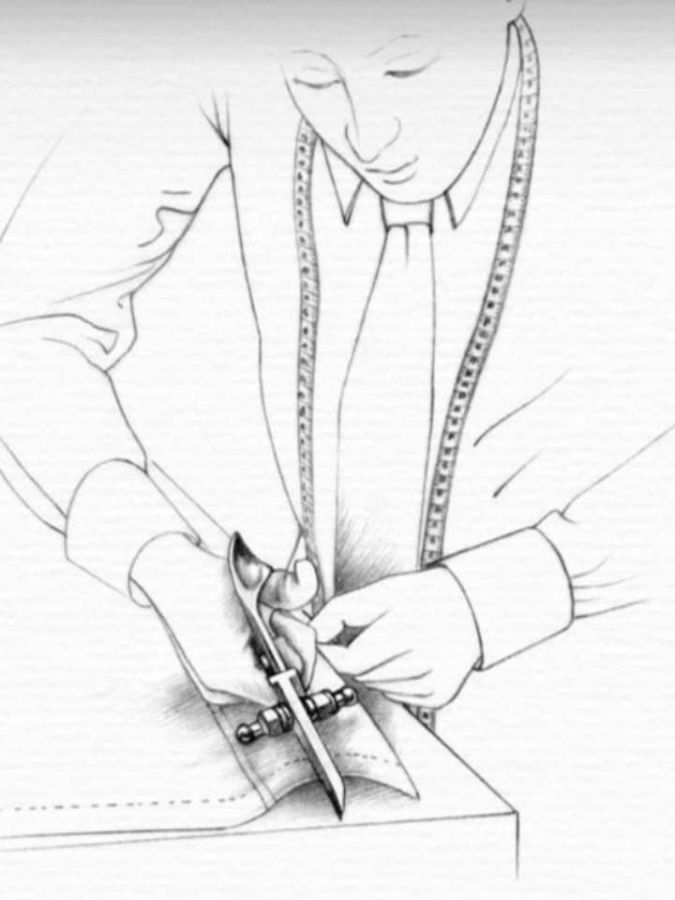
· Apprenticeship: Carefully select a trainer under an experienced designer to gain hand on expertise, particularly for the selected Niche.
· Online Learning: Use learning platforms like Master Class or Maker’s Row Academy for virtual training and you can as well makes research on platforms.
Attend workshops, enroll in fashion schools, or learn from mentors to be guided you line of your skills.
4. Get a domain for High-Quality Materials and Suppliers
Durable, high quality fabrics and accessories ensure customer satisfaction and strengthen your brand’s reputation, especially for bold or luxury designs as it creates credibility. Reduce purchase cost by Always buying in bulk from local or international markets for variety except there’s urgency, though imports involve higher costs and duties.
Always get eco-friendly fabrics for environmentally conscious niches which are affordable a well.
Connect with trusted wholesalers or manufacturers and test material quality before committing to bulk orders.
5. Efficiency
Master efficiency in production as it ensures credibility, efficiency helps to minimize waste whether in production from crafting bespoke luxury pieces or mass market ready to wear.
Efficient production processes prevent complaints from customers and helps to maintain customer trust. Begin with small scale tailoring to test designs, then outsource as demand grows.
6. Customize your identity
Having a unique brand identity differentiates you and makes you stand out in crowded fashion market and makes people to easily recognize your product. Steps:
· Get a customized Logo: Develop a logo which summarizes your niche and brand story that resonate with your audience, emphasizing culture or luxury trends.
· Incorporate Bold Designs: Use attractive colours like red or cultural motifs in branding to reflect your dynamic style.
· Have a good product Presentation: Use quality and stylish packaging to enhance the luxury experience for premium clients and to show expertise.
7. Get your product to be known;
Strategic marketing drives sales in every dynamic digitally savvy market, where trends are driven by celebrities. Strategies:
· Social Media Presence:Be consistent and post daily with high quality visuals, behind the scenes content or faceless contents and bold designs to engage followers. Partner with influencer to break into the market and make reputable clients.
· Attend Events and Expos: Participate in Fashion shows or local trade shows to network and gain visibility and to connect with other goal driven mindsets as you.
· Offline Promotion:online creates visuals and Using physical means like business cards, fliers, or pop-up shops in high traffic areas help to generate clients. Action: Build a consistent online presence and attend fashion events to connect with customers and industry players.