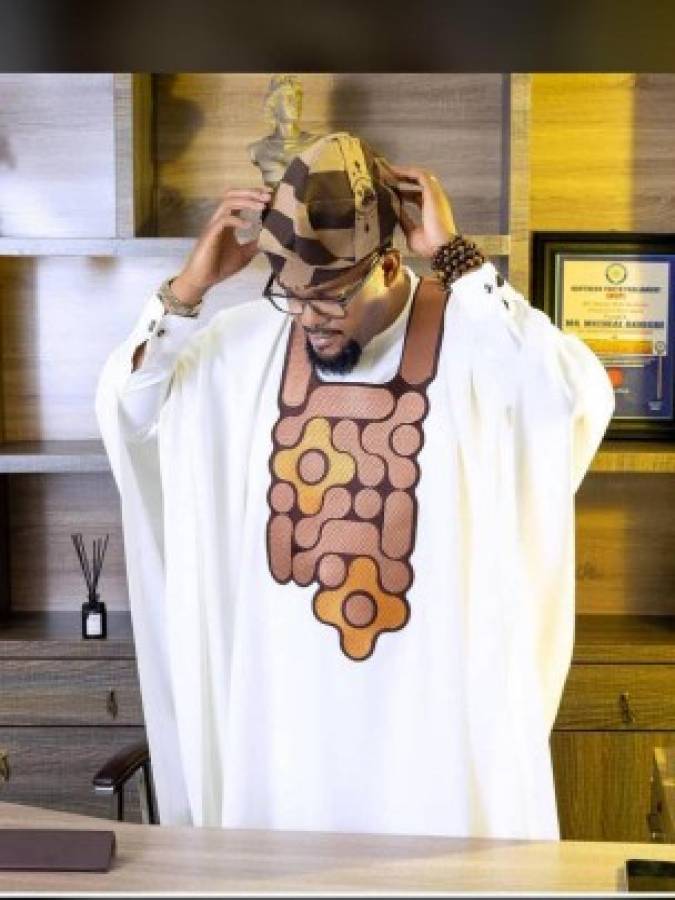
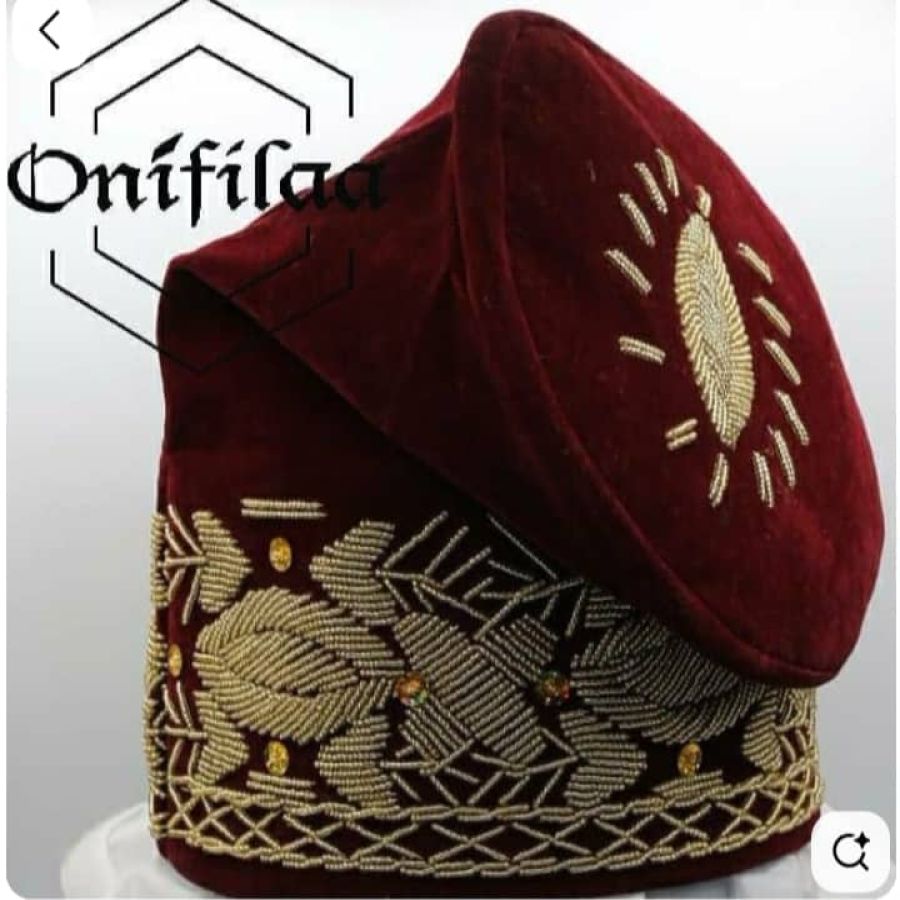
You are welcome to one of the most most overlooked culture in yoruba land, the Yoruba Fìlà, especially the iconic Fìlà Gọ̀bì(a special can which can be tilted to the east, west,north or southern direction),it is more than just a cap—it’s a bold statement of a man’s identity, status, and life stage. How the cap sits on the head sends a message, rooted in tradition and belief , though meanings can shift slightly across communities or with modern twists based on its position. Here’s a rundown of what different Fìlà positions mean in Yoruba tradition:
1. Tilted to the Righthand side (Apá Ọ̀tún) Meaning: Signals the wearer is a bachelor who may not be ready to get married (àpọ́n). Indication: This is for young, single guys just starting their life’s journey—think of it as the “circle of life” kickoff. Context: Worn by young men not yet tied down by family duties,as they’re termed (àpọ́n) .
2. Tilted to the Lefthand side (Apá Òsì) Meaning: Shows the wearer is married and is responsible (ọkùnrin tó ti di aláya nílé). Indication: For men who’ve settled down with a spouse and family responsibilities, that is a family man. Context: Some communities flip this, linking the left tilt to single men or those eyeing Tilted Forward (Iwájú) Meaning: Represents being in the prime of life or at their best, with big opportunities ahead (iwájú láyé wà). Indication: Perfect for ambitious young men building their future—think marriage, wealth, or family but this is so uncommon as few guys or men position their caps this direction. Context: It’s all about forward-looking energy and hustle and with endless opportunities.
3. another wife, so it varies by region or clan but majorly indicates a married or responsible man.
4. Tilted Backward (Ẹ́yìn) Meaning:this simply means the wearer is an elder who’s lived a full life or retiring to a funful life(àwa ti jayé). Indication: For older men enjoying the rewards of their hard work, radiating wisdom. Context: Worn by those who’ve hit major life milestones and are now chilling, that’s beautiful isn’t it?
5. Standing Upright (Gogoro or Oro) Meaning: Can show pride or a carefree attitude (ọkùnrin tí ó ń ṣe àfihàn ìgbéraga), sometimes linked to lower social standing. Indication: Not the most respected style but has a unique meaning as other positions, often tied to free spirits or devotees of deities or special being like Sango though this may differ across the yoruba communities. Context: Less common and can carry a rebellious or spiritual edge therefore making it less paramount.
6. Royalty and Respect Meaning: this is a way of reciprocating respect to Kings or high-ranking men, tilting their caps one way, and followers tilt theirs the opposite way to show respect according to their respective cultures and belief. Indication: It’s all about hierarchy and honoring the big shots as a sign of respect. Context: A cultural nod to leadership and community structure and may vary according to communities.
7. Abeti Aja Cap Style(covering dogs ears) Meaning: The “dog ears” cap, with flaps that carry symbolic weight and a very significant one at that:
· One flap up, one down: Salutes both God and people according to the culture.
· Both flaps down: Shows respect to the earth. Indication: A unique style with spiritual and cultural depth and meaning. Context: Worn for ceremonial or symbolic moments or during festive periods.